Naming & Differentiation
Naming & Differentiation
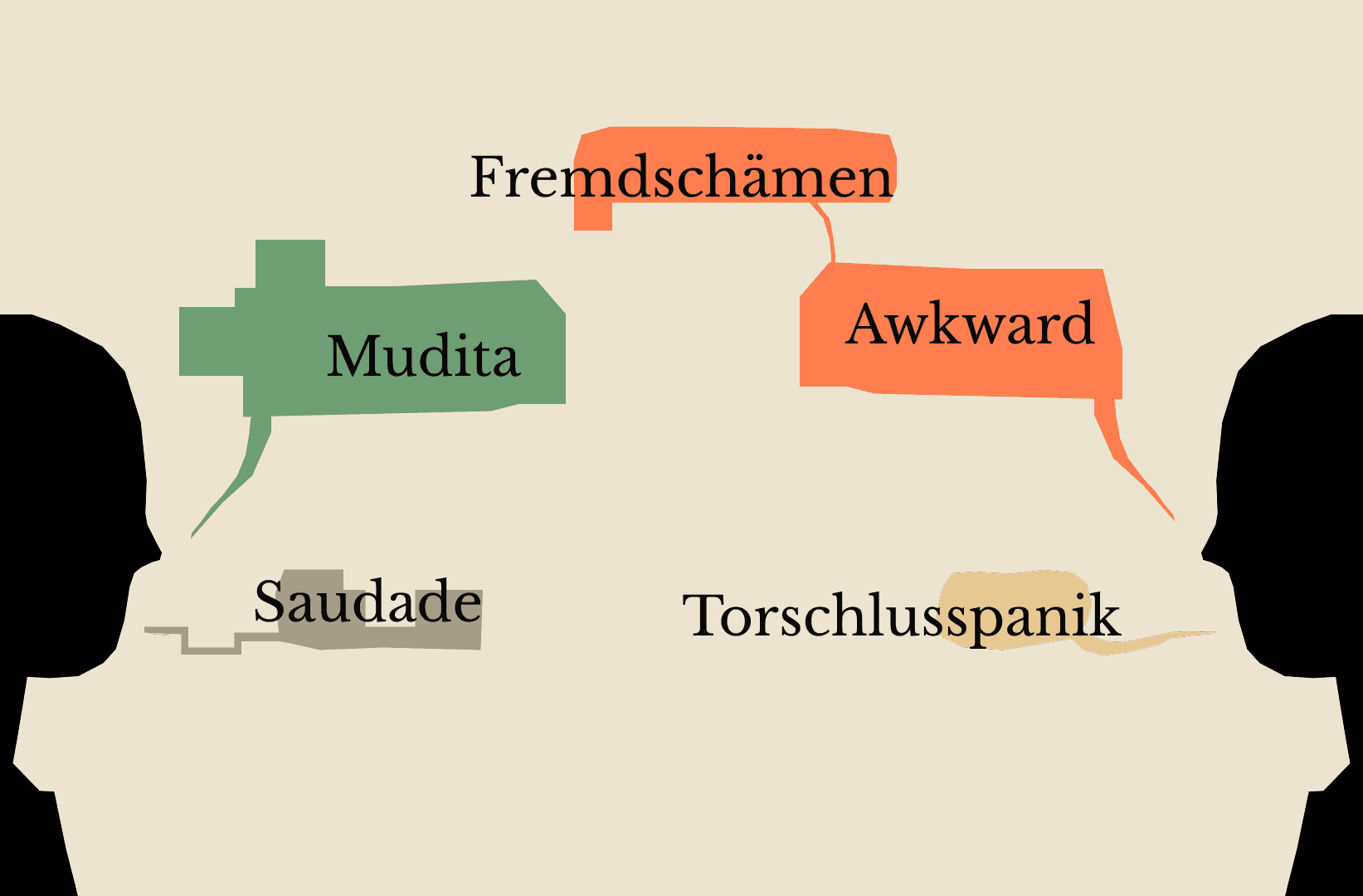
Naming is the skill of putting a precise word to what you feel, and telling close feelings apart. A feeling stays with us all day, and the nearest word for it is broad: fine, stressed, or bad. That word covers many states, so the feeling remains general. A general feeling is hard to act on and harder to express to anyone. You'll learn to read a feeling in your body before you have a word for it. You will tell close feelings apart and find the exact one, including the quiet feeling beneath the loud one. Naming it the moment it appears lowers its intensity and lets you say it to someone. The goal isn't a larger emotional vocabulary. It's the exact word for what you feel, precise enough to act on and say out loud.
Naming is the skill of putting a precise word to what you feel, and telling close feelings apart. A feeling stays with us all day, and the nearest word for it is broad: fine, stressed, or bad. That word covers many states, so the feeling remains general. A general feeling is hard to act on and harder to express to anyone. You'll learn to read a feeling in your body before you have a word for it. You will tell close feelings apart and find the exact one, including the quiet feeling beneath the loud one. Naming it the moment it appears lowers its intensity and lets you say it to someone. The goal isn't a larger emotional vocabulary. It's the exact word for what you feel, precise enough to act on and say out loud.
6
units
Levels
NaN
28
lessons
Lessons
Lessons
0
Practices
Challenges
English
Self-Paced
Lifetime access
Unlock all Lessons
The Curriculum
Level 1: Blunt Labels
Level 2: The Body's Signal
Level 3: Tell Them Apart
Level 4: The Feeling Underneath
Level 5: The Right Word
Level 6: Name It
28
Lessons + Practices
Details
6
Levels
28
Lessons
0
Challenges
Self-Paced
Free Access
How to use this course
Take one or two lessons a day.
Answer with what you actually think.
When a lesson asks about your life, be specific.
Use the Challenges at the end to practice and test your skill.